
Donec efficitur, ligula ut lacinia
viverra, lorem lacus.
Donec efficitur, ligula ut lacinia
viverra, lorem lacus.
Anxiety attacks are a cause of enormous stress, discomfort, and sometimes embarrassment for some people. It is neither something to be ashamed of nor something to hide from, because it is a problem that can be addressed. That being said, it is important to be able to recognise the signs of an anxiety attack before it happens, so that you can take steps to manage it. In this article, we will look at 15 tell-tale signs of anxiety attack, so you can spot them easily.
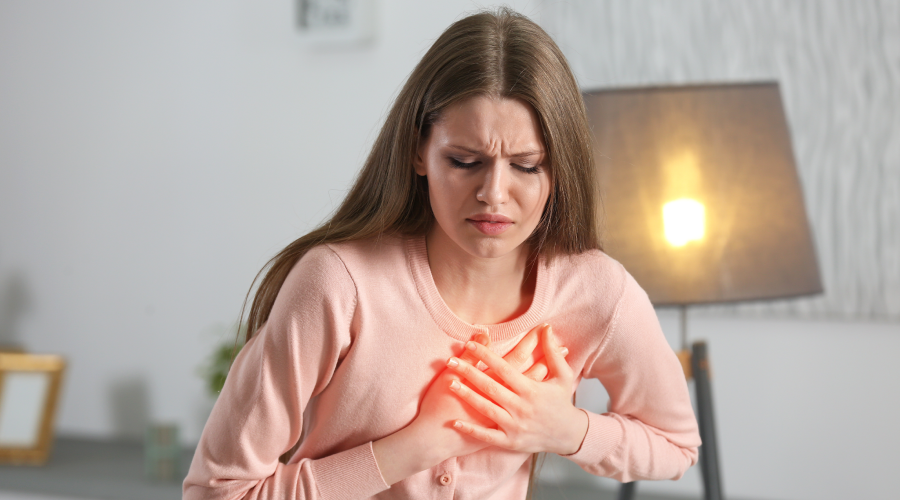
One of the most common signs to look out for is difficulty breathing. Signs of an anxiety attack can include anything from a feeling of breathlessness to tightness in the chest, or having difficulty taking deep breaths. The difficulties here can result in a fear of passing out, which further exacerbates the feelings of panic and worry. Therefore, it is important to be aware of this sign.

Anxiety attacks can cause your heart to beat uncontrollably fast and hard, a symptom medically termed as palpitations. A racing heart is a physical sign of extreme stress, panic, and anxiety- the body perceiving a dangerous situation, despite none present. There may also be tightness in the chest, and a feeling of a heaviness.
Anxiety attacks also induce tensing of the muscles. This can be anything from a slight tremor to an intense, involuntary contraction of muscles. The tensing of the muscles is an involuntary way of the body responding to a dangerous situation, preparing to fight or take flight, thought to be a primitive response.

Excessive sweating is often a sign of an anxiety attack, especially when the source of panic is invisible. Sweating is the body’s way of cooling itself in response to terror or fear, and while the physiological systems of the body may not be functioning normally such as breathing and muscles, an increase in body temperature due to anxiety can lead to sweating.

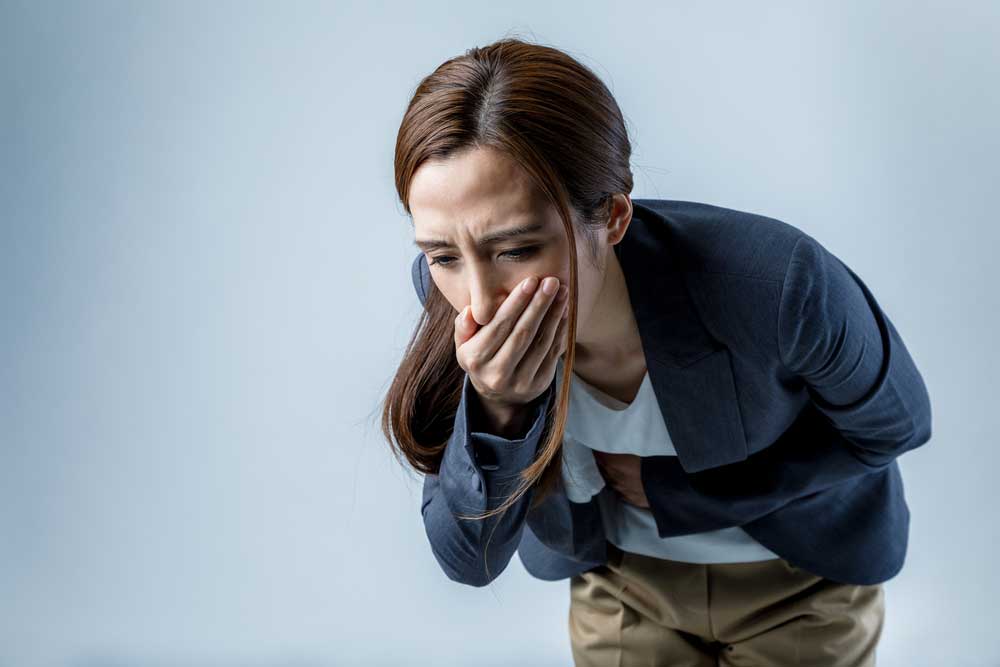
Nausea is another classic sign of an anxiety attack. It can manifest itself in a variety of ways, including queasiness, vomiting, dizziness, stomach aches, or a loss of appetite. When the body perceives something as a danger, it shuts down other systems, such as digestion, to focus all its efforts on dealing with the perilous situation.
Muscle cramps can also be a sign of anxiety attack. Anxiety can cause the body to tense up, and lead to persistent muscle pains and cramps. Such pains can be particularly acute as you find yourself unable to move as a result of the cramps, further intensifying the anxious state.

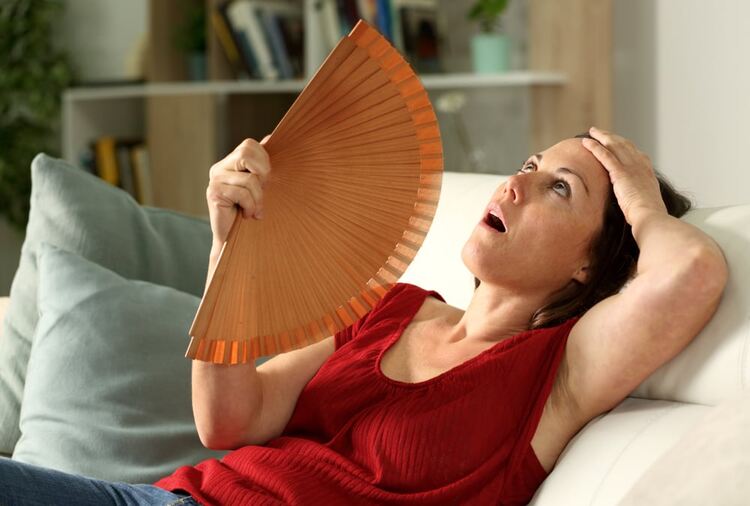
A hot flush, medically known as a ‘hot flash’, is another common sign of an anxiety attack. It is an intense feeling of warmth across your body, often accompanied by sweating. Hot flushes come in waves, and can vary in intensity. One minute, the body may be comfortable, and the next, the face and body may flush incredibly quickly.
Anxiety attacks can lead to trembling, shaking, and twitching of muscles, especially in the limbs. While the tremor can be very intense, it manifest differently for different individuals. For instance, one individual could experience tremors in the hands and arms, while another could experience it in the legs and feet.

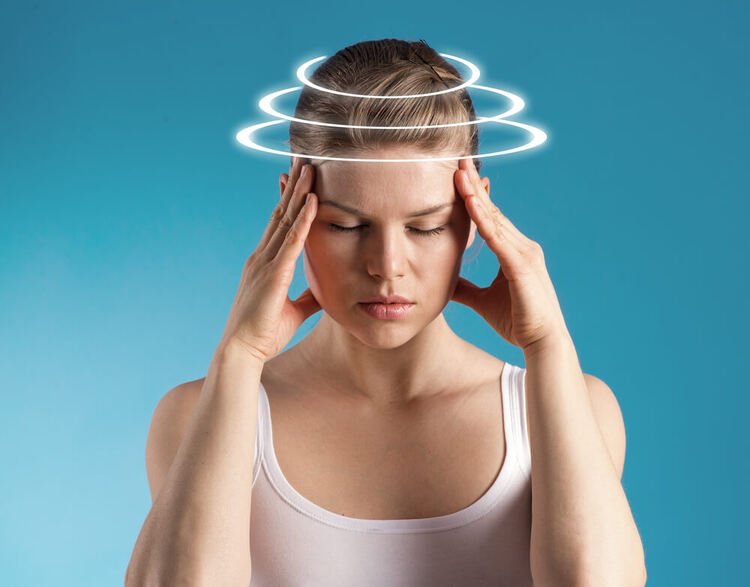
Vertigo is a sense of disorientation to place and time, as if everything is suddenly spinning. The cause of vertigo can be psychological thoughts or physical, however in the case of anxiety attacks, it is a result of racing thoughts that confusion the body. This can cause spinning sensations, a fear of the ground moving, or walking on a moving surface.
Anxiety can cause the mind to feel cloudy, making it difficult to think, even if it is short term. Anxiety can make it difficult to think rationally and concentrate on the task at hand, especially if the situation is a stressful one. As a result, anxiety can make it difficult to have meaningful interactions, and can cause individuals to feel panicky and overwhelmed.

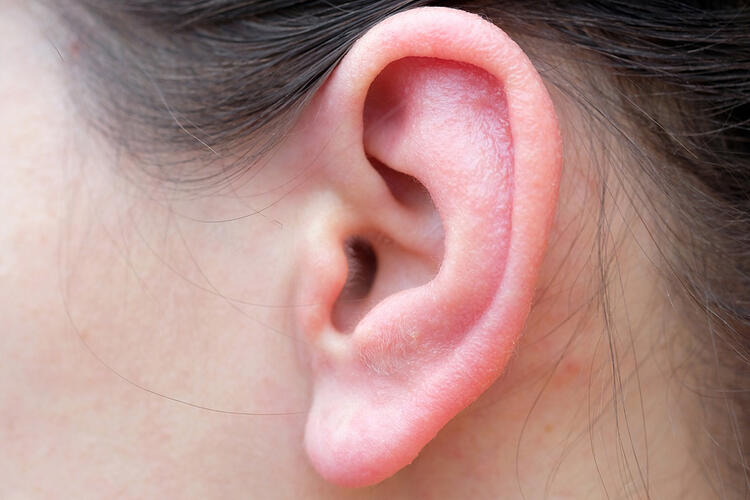
Hot ears are an indication of the body entering panic state, during an anxiety attack. This happens due to the adrenaline coursing through the body during an anxiety attack, which increases the metabolism and causes more blood to flow. As a result, the body’s temperature increases and the skin may feel hot or tingly.
When your body perceives imminent danger, it’s natural to want to be aware of your surroundings, almost as if to look out for signs of escape or threat. The same can be true when experiencing an anxiety attack, when everything in the environment starts to feel strangely intense and magnified.

Gastrointestinal problems, such as diarrhea can also be a symptom of anxiety attacks. This is because the digestive system and nervous system are closely tied, and during phases of heightened anxiety, the body will have an increased reaction to the food consumed.
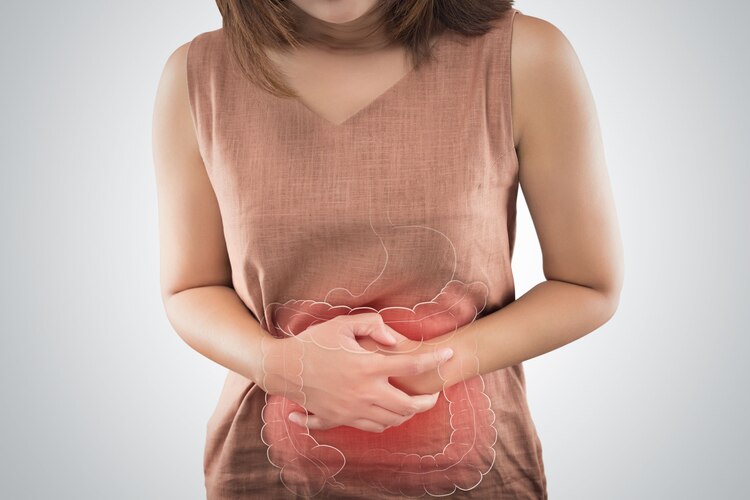
The sudden urgency of handing a situation can be a sign of an anxiety attack. This is because the body perceives the situation a more frightening then it actually is, resulting in a feeling of suffocation or intense panic when there is no actual danger.

Hyperventilation is a common symptom of an anxiety attack. This is a result of the sudden rise in panic, difficulty taking in oxygen, and fear of an oncoming attack. People often are not aware they are hyperventilating until they regain their breath and composure.

Anxiety attacks can come without warning, and cause individuals a great deal of distress. That being said, it is important to be aware of the signs of an anxiety attack, so that one can take measures to reduce the chances of them occurring. What’s more, it is equally important to take the help you need, such as therapy or medication, to deal with the consequences of an attack.
A. An anxiety attack is a sense of heightened fear and unease triggered by a perceived danger. It is usually accompanied by physical symptoms such as sweating and dizziness, as the body’s physical systems react to the situation.
A. Coping mechanisms for an anxiety attack can be varied. Commonly, it is recommended to practice deep breathing to reduce the intensity of the physical symptoms. Moreover, if the anxiety is more complex, medication, therapy, and support groups can be sought for long-term relief.
A: Certainly! Here are five warning signs of anxiety:
It’s important to note that anxiety can manifest in many different ways, and people may experience different symptoms. If you’re experiencing symptoms of anxiety that are impacting your daily life, it’s important to seek help from a mental health professional.
A. There are several ways to reduce anxiety, including:
It’s important to note that what works for one person may not work for another, so it’s important to find the strategies that work best for you. If you’re struggling with anxiety, it’s important to seek help from a mental health professional who can provide personalized guidance and support.
