
Donec efficitur, ligula ut lacinia
viverra, lorem lacus.
Donec efficitur, ligula ut lacinia
viverra, lorem lacus.


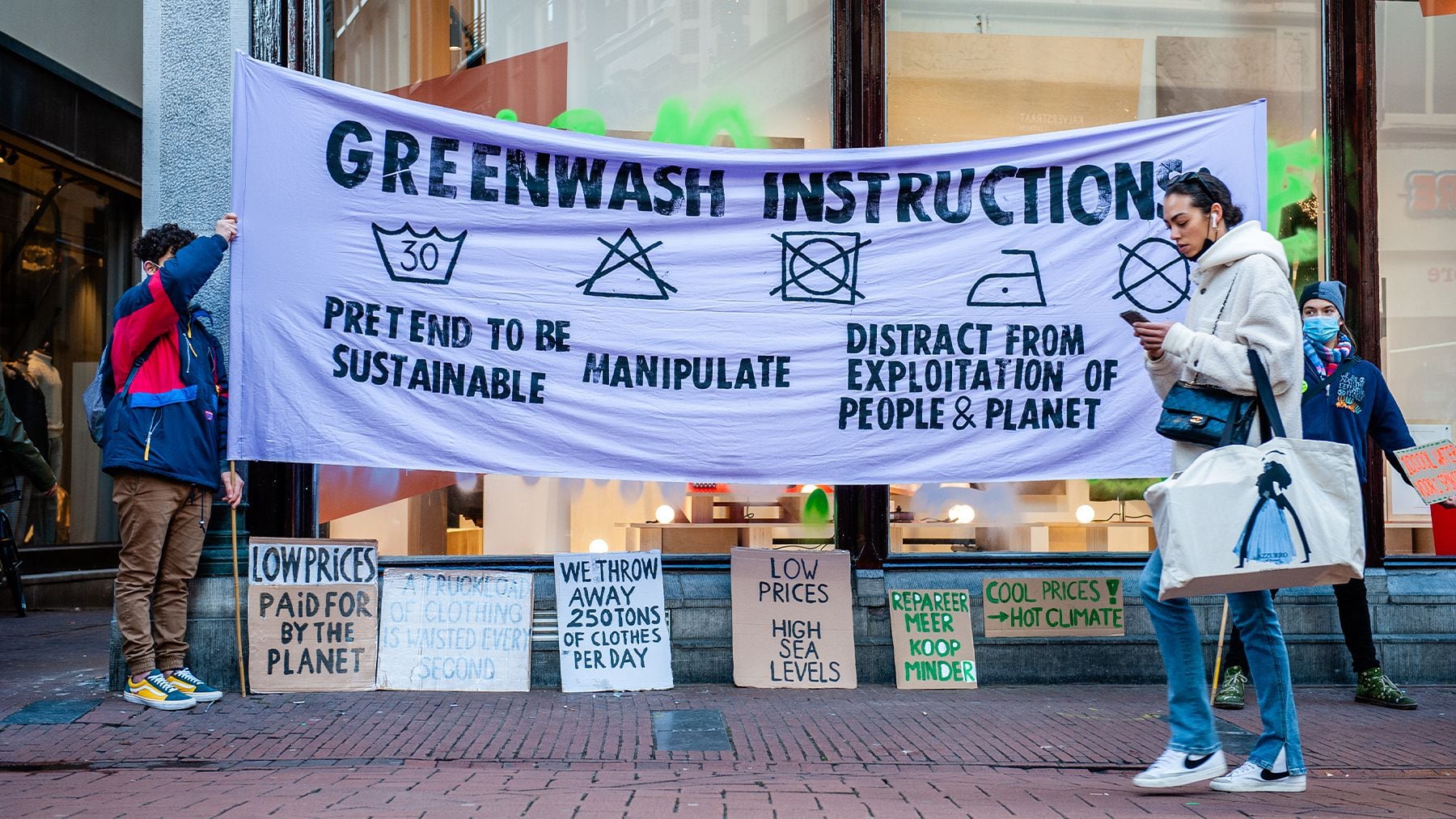
For the very last decade the Sustainable Attire Coalition has been a single of fashion’s most potent and influential sustainability-targeted trade teams, with users together with Patagonia, Nike and H&M Team. Its broadly used suite of instruments, collectively acknowledged as the Higg Index, was seen as an sector standard to measure environmental and social effects.
This year, it all arrived crashing down as regulators in Norway concluded its rankings ended up not strong enough to again up huge brands’ eco-marketing and advertising claims. The superior-profile scandal exposed very long-standing criticism about the top quality of the organisation’s data, the metrics it employs and the validity of benchmarks set by sector-backed, self-controlled organisations like the SAC.
“This was a real shot across the bows,” stated George Harding-Rolls, marketing campaign supervisor at environmental marketing campaign group Transforming Markets Basis, which has posted several reviews significant of the Higg Index. “It’s a bit of a instant of reckoning.”
This week, the SAC confronted the criticism at its yearly meeting in Singapore, searching for to lay out a roadmap to transfer over and above the present-day controversy and restore self-confidence in attempts to set up a standardised way to evaluate and substantiate environmental promises.
“The dialogue [with regulators] is a seriously constructive step ahead,” SAC main executive Amina Razvi instructed associates in her opening remarks. “This is about development and involving a a great deal broader set of stakeholders in the dialogue.”
It is a pivotal moment for the style field, which is going through a broader believability crisis as regulatory requires to handle greenwashing with far more correct and clear data have operate up against a yawning data hole.
The SAC’s posture at the heart of the debate stems from a go very last 12 months to push models to use its resources impact data as a resource to industry their sustainability credentials, even with inside and exterior concerns about its shortcomings. The programme was put on pause in June, right after Norway’s Consumer Authority concluded it experienced the possible to mislead individuals.
“There was a whole lot of emphasis on effect labels,” said Jeremy Lardeau, the SAC’s vice president of the Higg Index. “We’ve figured out a ton of factors and it is spurred a large amount of conversations… until eventually we experienced this debate it was difficult for us to do something else.”
Some big businesses experienced presently opted out. Adidas still left the coalition about two decades ago and now employs an inner programme that is independently verified just about every calendar year to keep an eye on and report impression details. French luxurious conglomerate Kering quietly left the coalition past December. “The trouble with the Higg Index is that it’s not third-celebration verified knowledge, and which is what’s encouraged,” said Géraldine Vallejo, sustainability programme director at Kering. “We believe it is not suitable for the luxurious sector.”
The organisation’s membership addresses roughly 50 % of the worldwide apparel and footwear industry, and whilst some firms have left, extra have joined, mentioned Lardeau, adding that members’ responses to the present crisis have been mostly supportive. “They want to know, ‘how can we assistance? How can we determine out the concerns lifted, tackle the criticism and boost the point out of the field?,’” he stated.
Very last thirty day period, Dutch and Norwegian regulators laid out specifically what they thought that ought to seem like, contacting on the organisation to plug information gaps, make use of an unbiased third occasion to confirm conclusions and guarantee any use in marketing and advertising promises is correctly contextualised.
“The marketplace has to consider a step back again and appear at what it is executing,” mentioned Tonje Drevland, head of the Norwegian Client Authority’s supervisory office. “You have to invite critics in you just cannot have the market discussion and conclude [its own rules].”
The SAC is now doing the job with accounting business KPMG to operate a 3rd-occasion evaluation of the Higg tools. It’s in the procedure of setting up a trio of skilled panels to overview its content, brand and manufacturing unit assessments with a see to publishing the results in the very first quarter of 2023, Lardeau said.
At the same time, it is stepped up commitments to strengthen the information obtainable, doing work with other marketplace teams, like nonprofit Textile Exchange. The resources-focused trade team is doing work on up-to-date effect assessments for mohair, wool and cashmere this yr, CEO La Rhea Pepper said for the duration of the SAC’s yearly gathering Wednesday. It’s preparing to spend 50 % a million pounds next 12 months on more analysis on materials like polyester and leather, she said.
The SAC is functioning with a number of members to unlock funding for a lot more influence evaluation, said Lardeau. And it’s searching to regulators to settle the increasingly heated discussion over how sustainability need to be outlined and measured for consumer-facing affect labels, he reported.
The European Union is established to lay out regulations on how manufacturers should back up any eco-friendly claims at the close of this month, with lobby teams from throughout the market pushing tough to affect how the assessment common extensively predicted to underpin the regulation designs up.
For additional BoF sustainability coverage, indicator up now for our Weekly Sustainability Briefing by Sarah Kent.


